What event planners should know before booking an AI photo activation
The short answer
An AI photo activation uses artificial intelligence to transform guest photos into stylized images, animated portraits, or thematic composites in real time. For an event planner, the key is knowing how the technology works, what it requires from guests, and how the final images are delivered and shared. The right setup can create a memorable shared experience, but a mismatch between the tool and the event format can lead to long lines, confused guests, or disappointing results.
How AI photo activations differ from traditional photo booths
A classic photo booth captures a strip of four posed photos, often with a simple overlay of the event logo. An AI photo activation goes further. Instead of a plain photograph, the system might generate a fantasy portrait, a caricature in a specific artistic style, or an image that places the guest inside a themed backdrop that never really existed. The "camera" is still there, but the final image is processed by a generative model that interprets the guest's features and surroundings according to a custom prompt set by the event organizer.
This difference matters for planning. Traditional booths are relatively predictable: the lighting is fixed, the background is physical, and the output is a straightforward photo. AI activations introduce variables like processing time, internet dependency, and the need for guests to interact with a screen that explains the style options. An event planner should confirm whether the activation runs fully on-device or requires a cloud connection, because a venue with weak Wi-Fi can slow or break the experience.
Key considerations before you book
Visual style and brand alignment
Most providers let you choose a visual style or set a custom prompt that controls the look of the generated images. This is where the activation becomes a branding tool. If the event is a corporate conference, you might want clean, professional headshots with a subtle company watermark. For a holiday activation, a winter wonderland style with festive colors works better. Ask the vendor to show you examples from past events that match the style you have in mind. The prompt should use brand colors and avoid elements that clash with your event's theme.

Guest consent and data handling
AI photo activations often ask guests to pose, then upload their image to a server for processing. This raises questions about guest consent and data privacy. Before booking, check how the vendor handles images. Are they deleted immediately after the event? Do they store images for gallery display? Can guests opt out of having their photo shared on a public screen or social feed? For corporate events, especially those involving employees, it is wise to have a clear consent screen at the start of the experience. Some vendors provide a QR code that guests scan to review and approve their image before it is saved or shared.
Digital delivery and sharing
One of the biggest advantages of an AI activation is digital delivery. Guests expect to receive their image instantly, either via text message, email, or a download link. Confirm the method of delivery ahead of time. If the event has a large crowd, make sure the system can handle simultaneous requests without delays. Some activations also offer an on-site gallery where all images are displayed on a monitor, which can encourage more participation. But be mindful of screen placement: a screen that is too small or too bright can be hard to see, while a large screen in a busy area can create bottlenecks.
Custom prompts and content moderation
The custom prompt is the instruction that tells the AI what style to apply. It can be as simple as "oil painting in warm tones" or as detailed as "steampunk inventor with brass goggles, in the style of a 19th-century engraving." The prompt should be tested before the event to ensure it produces appealing results. Also, the vendor should have content moderation in place to block inappropriate or offensive generations. This is especially important at public-facing events where the activation is unattended. Ask whether the vendor filters prompts and whether a staff member monitors the output in real time.
Logistics and space requirements
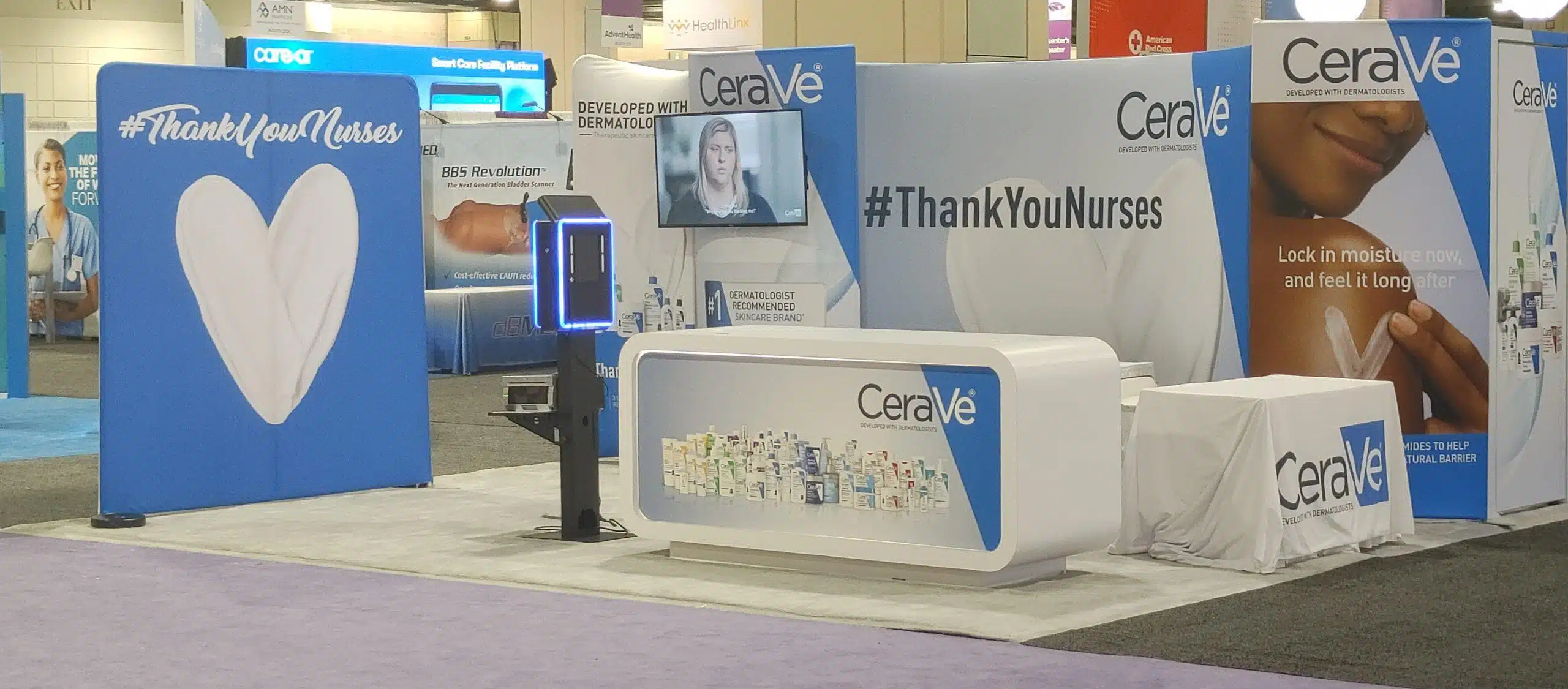
An AI photo activation typically needs a designated area with controlled lighting. Unlike a traditional booth that has its own enclosure, many AI setups use an open station with a backdrop and a ring light. The space should be large enough for a line of guests and for the camera to capture full-body or half-body shots without background clutter. Check the vendor's minimum space requirements and whether they supply the backdrop or expect you to provide one. Also confirm that the activation has a backup power source or battery option, especially for outdoor events.
Timing and throughput
Processing time per image can range from a few seconds to over a minute, depending on the complexity of the style and the hardware used. An event planner should ask about the average turnaround from pose to delivery. For a high-traffic event like a conference with hundreds of attendees, a slow system can create frustration. Some vendors offer a queue management system that shows guests their estimated wait time. Others let guests take a photo and return later to pick up the finished image via a link. Understand the flow before you commit to a particular setup.
One important detail that event planners sometimes overlook is the need for a staff member to operate the activation. While many AI booths are designed to be self-service, a dedicated attendant can help guests choose styles, adjust the prompt, and troubleshoot any glitches. The attendant also ensures that the line moves smoothly and that the experience stays fun rather than technical.
Measuring success beyond the event
A good AI photo activation generates content that guests want to share. After the event, the vendor can provide analytics: how many images were generated, how many were shared, and which style was most popular. This data can inform future event planning. Some vendors also offer a branded digital gallery that lives on after the event, letting attendees revisit their images and share them with colleagues. That ongoing visibility extends the value of the activation beyond the day itself.
For event planners working in the Mid-Atlantic region, a resource like phillyphotobooths.com can help compare different AI activation options. The site lists vendors and their capabilities, making it easier to find one that matches your event size, style preferences, and budget. Checking a few providers side by side gives you a sense of what is standard in the market and what is a premium add-on.

Ultimately, the best AI photo activation is one that feels effortless for the guest and seamless for the planner. It should fit the energy of the event, not overshadow it. By asking the right questions about style, consent, delivery, and throughput, you can choose an activation that adds a memorable layer to your event without introducing new headaches. And if you are still unsure, a vendor that offers a demo or trial run can help you see exactly what your guests will experience before you make a final decision. That kind of hands-on preview is worth more than any brochure.
For a detailed comparison of providers and their offerings, event planners often turn to sites like phillyphotobooths.com to narrow down their choices and read about real setups. A few minutes of research can save hours of troubleshooting on event day.